Pure Watercraft
Electric Outboard Power Electronics
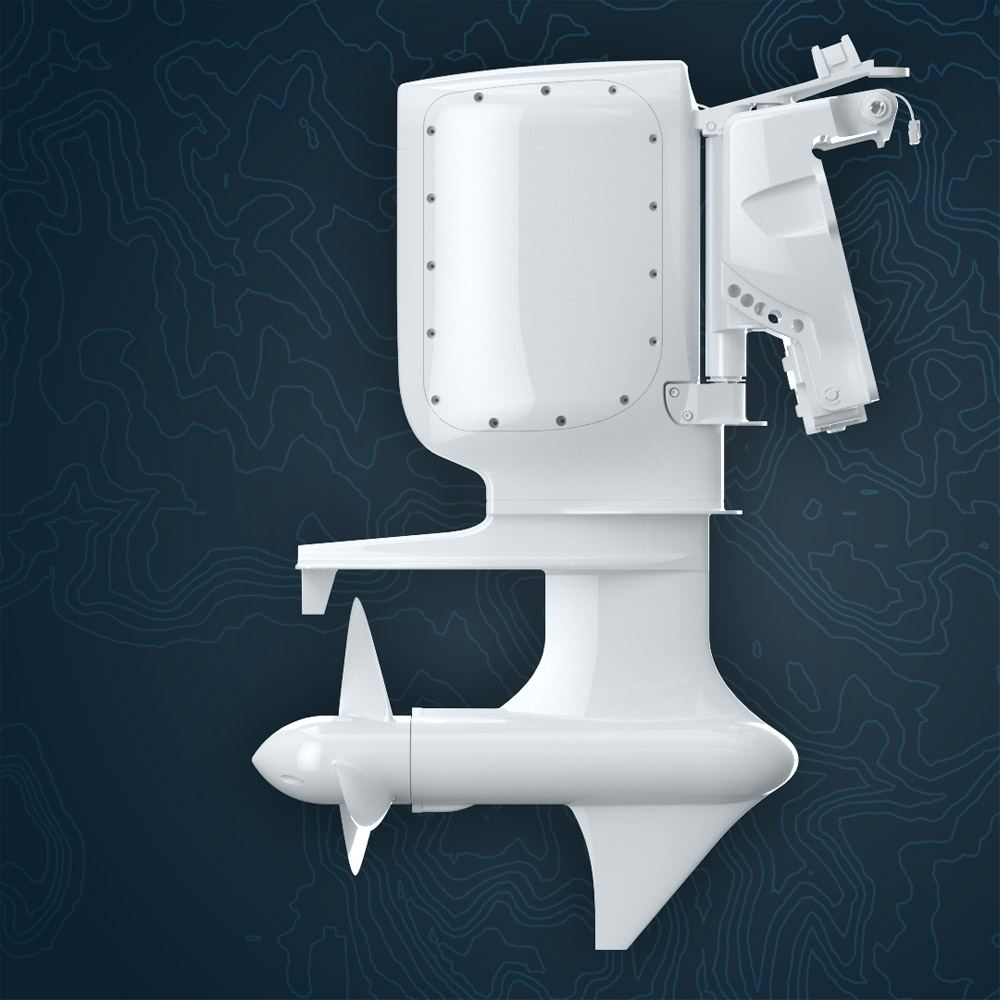
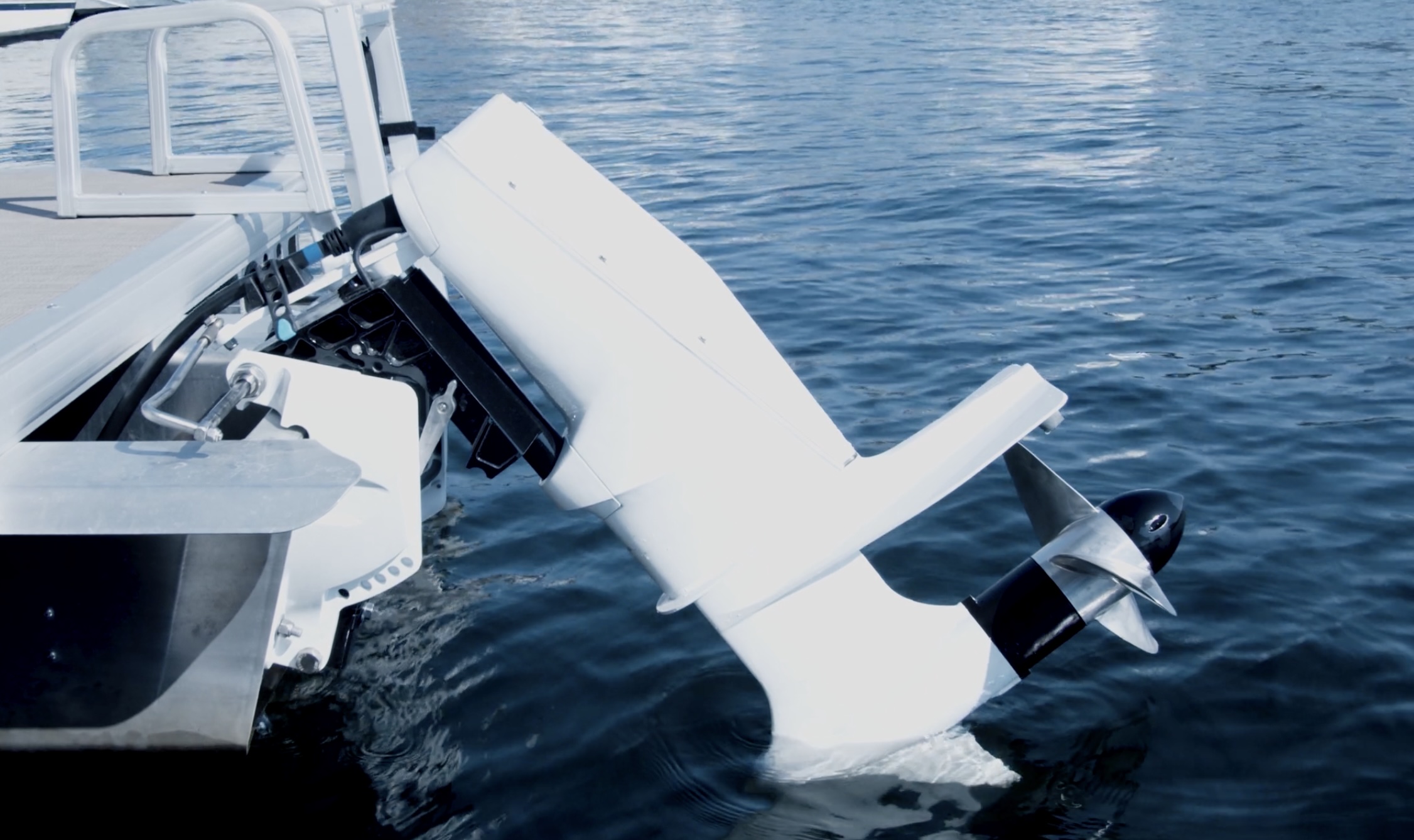
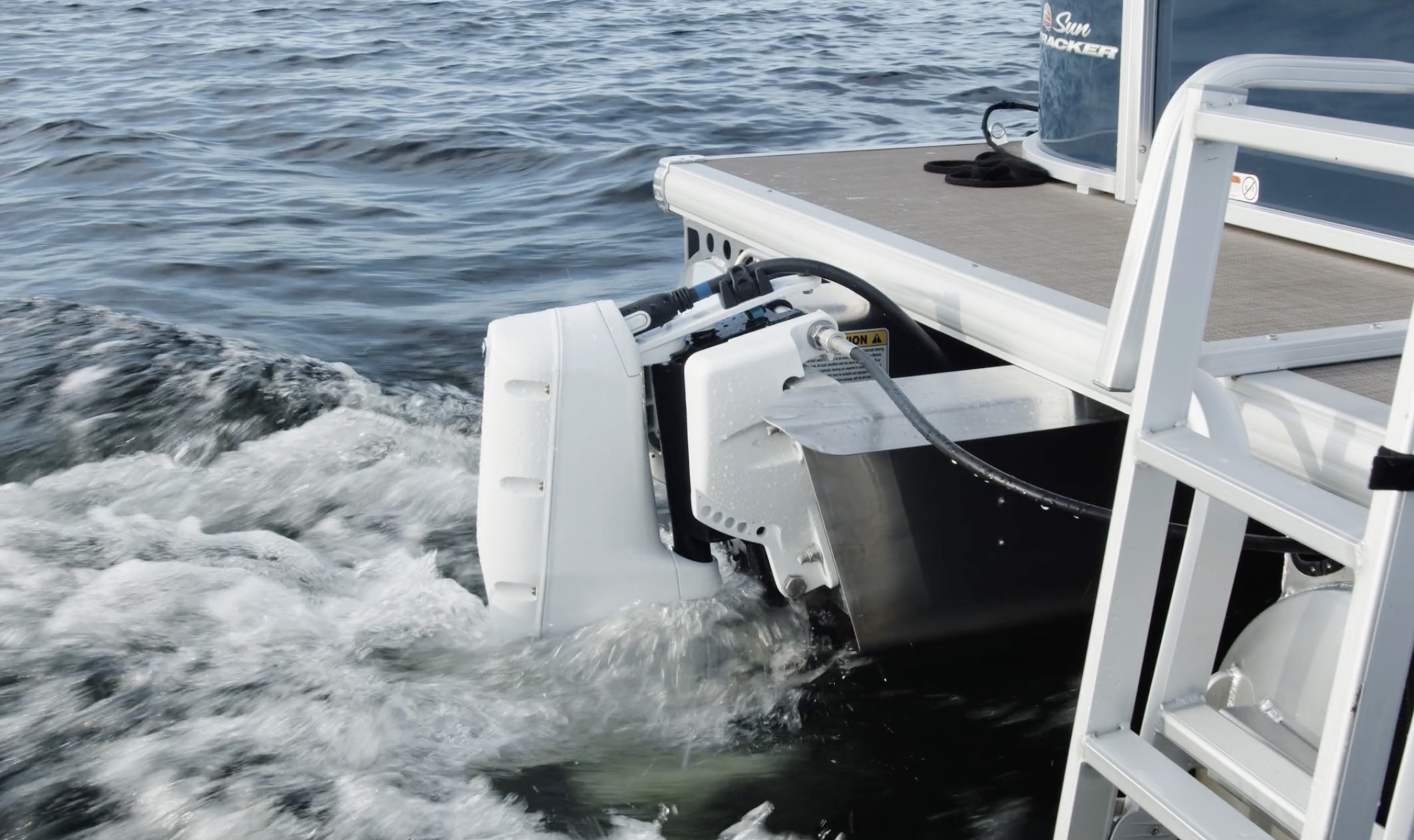
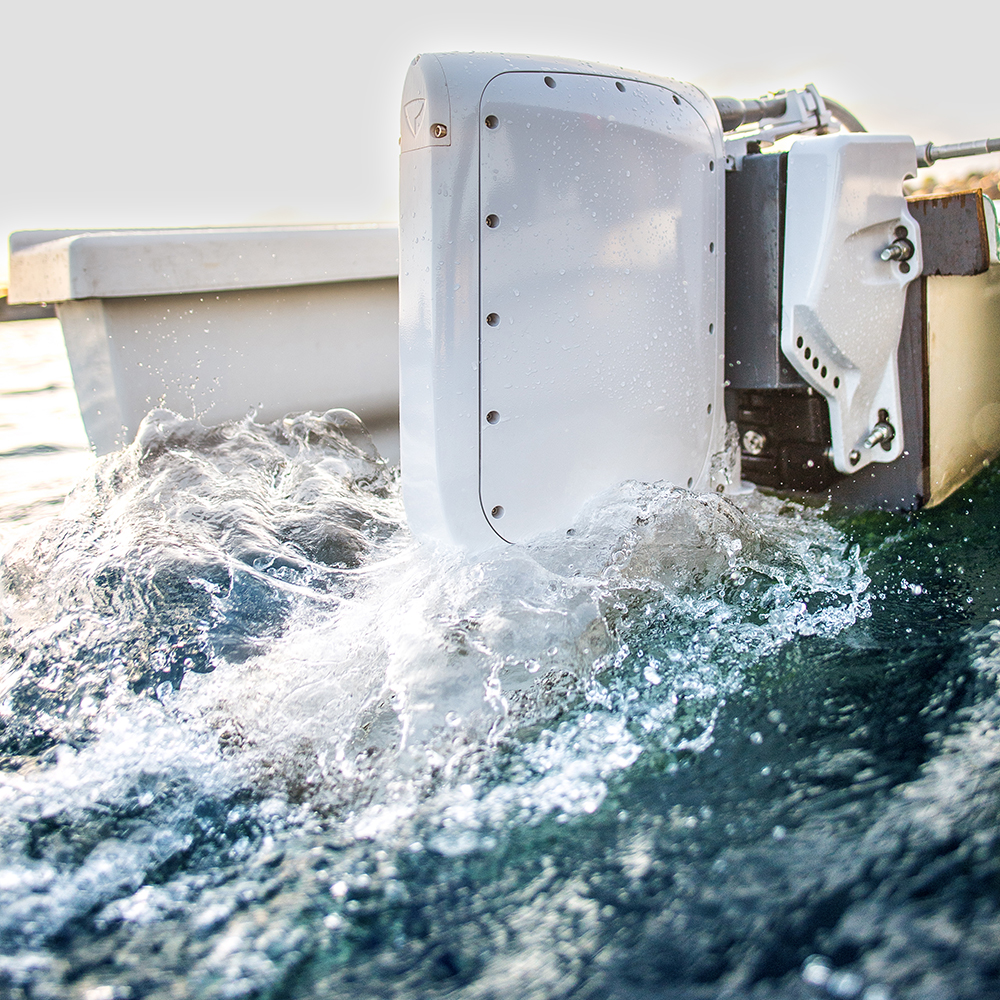
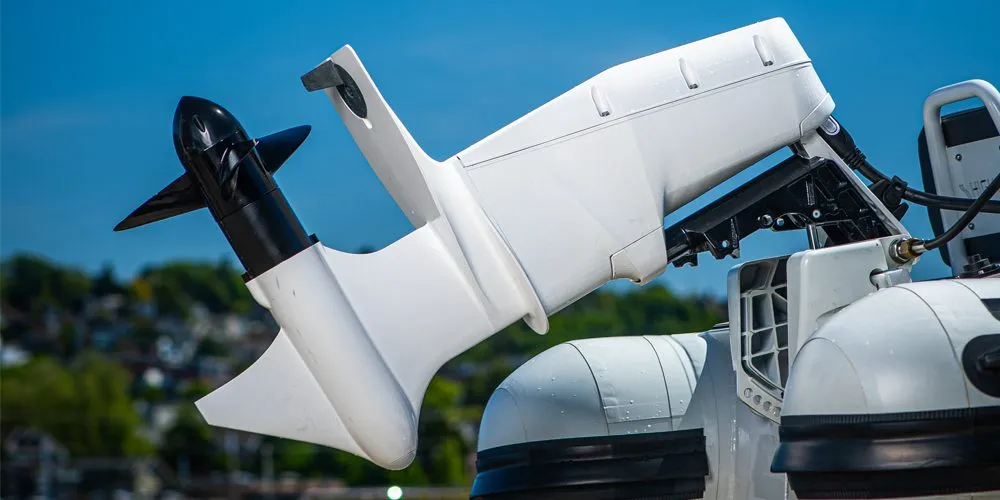
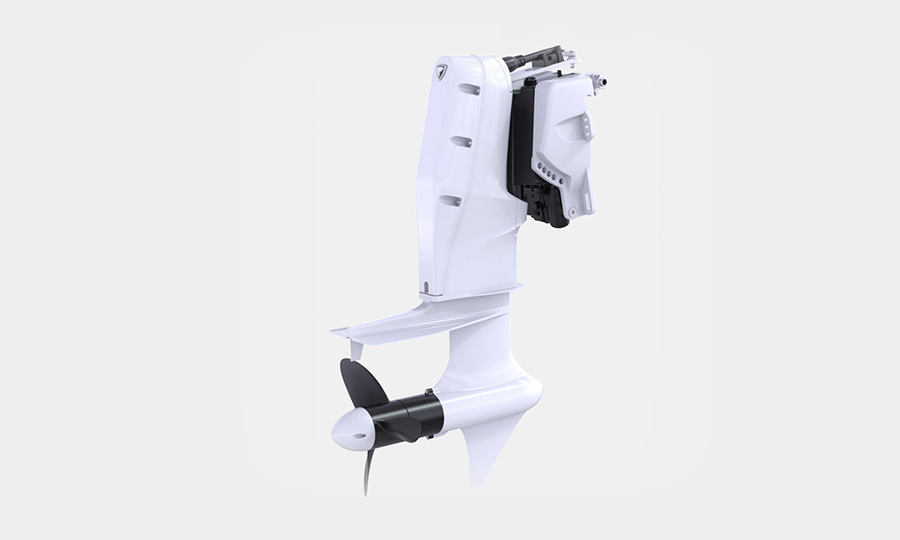
Pure Watercraft set out to redefine recreational boating with a high-voltage electric propulsion system designed to replace traditional gas outboards with a quieter, cleaner, and lower-maintenance solution. Our team developed custom power electronics and motor control hardware to enable efficient, reliable operation within an integrated marine platform.
Contributions
- System architecture support for high-voltage power electronics
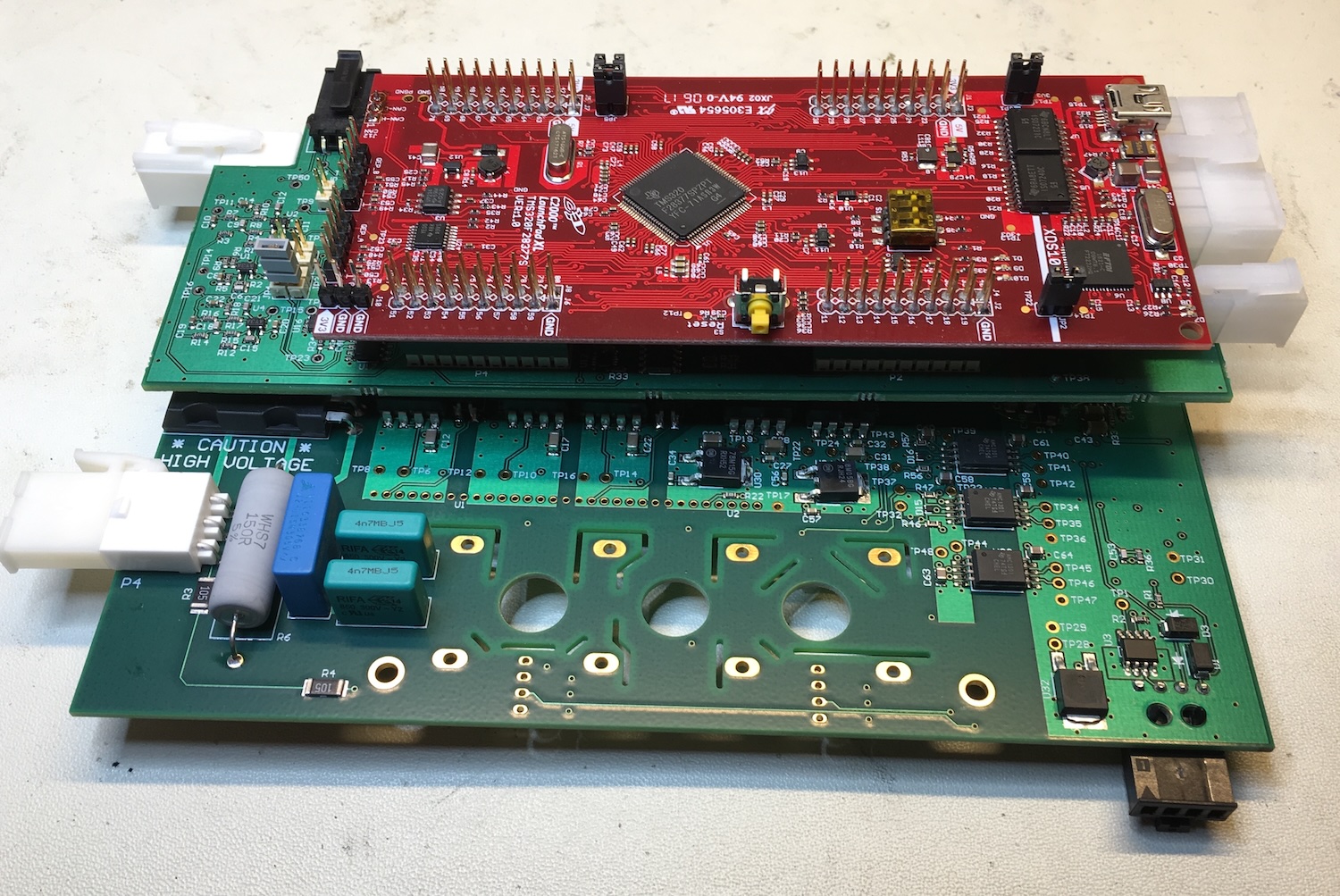
- Custom motor control and power electronics design
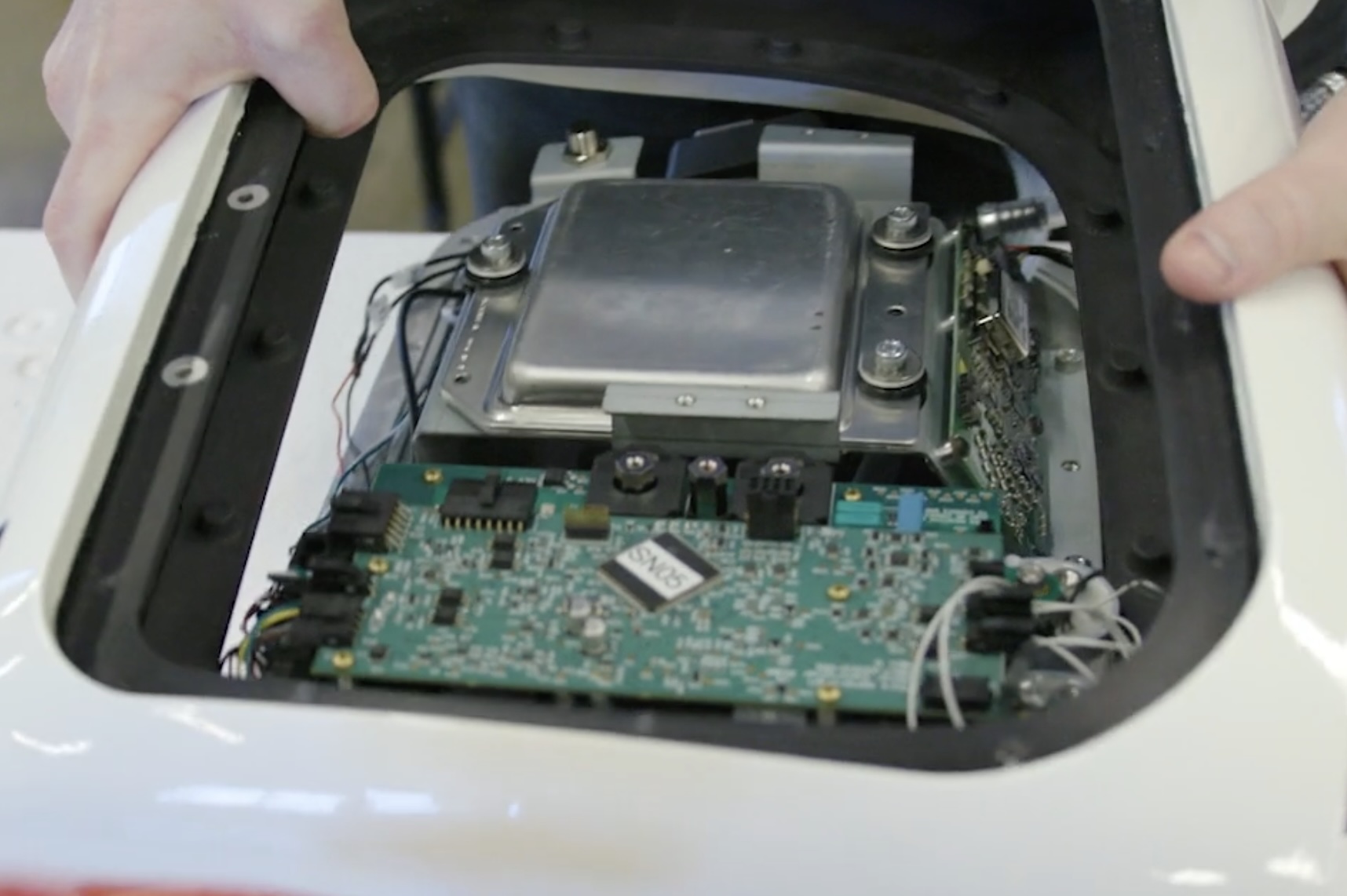
- High-Low voltage PCB design and layout
- Throttle control electronics development
- Firmware integration support and hardware bring-up
- Prototype fabrication support and functional testing
- Support for manufacturing transfer and early builds
Impact
Enabled a high-performance electric propulsion platform through robust power electronics design, supporting reliable operation and advancing electrification in marine applications.


Engineering Challenges
Developing a high-voltage marine propulsion system required solving for:
- Reliable high-current power delivery in a corrosive marine environment
- Thermal management under sustained load
- EMI/EMC compliance in a compact enclosure
- Safe high-voltage isolation and protection
- Smooth torque delivery and responsive throttle mapping
- Production-ready PCB layout for high-power switching
Unlike automotive EV platforms, marine propulsion demands sustained torque under varying hydrodynamic loads, often at low speeds, requiring robust motor control and thermal resilience.
Key Activities
1. Custom High-Voltage Power & Motor Control Electronics
We developed the inverter and motor control electronics responsible for:
- High-voltage DC input management
- Three-phase motor drive
- Current sensing and feedback loops
Design considerations included:
- Creepage and clearance for marine high-voltage operation
- Thermal dissipation pathways
- High-current traces
- Protection circuitry for fault conditions
The resulting architecture enabled precise torque control and efficient power conversion.
2. High-Low Voltage PCB Design
The PCB platform required careful layout discipline to balance:
- EMI mitigation
- Signal integrity for control electronics
- Compact packaging within a marine-rated enclosure
We implemented:
- Optimized power stage layout
- Controlled grounding strategy
- Segregation of power and logic domains
- PCB form factor optimization for dense packaging
- System assembly and service considerations
- Manufacturing-ready stack-up design
The boards were engineered for scalability and manufacturability while maintaining robust electrical performance.
3. Throttle Control Electronics
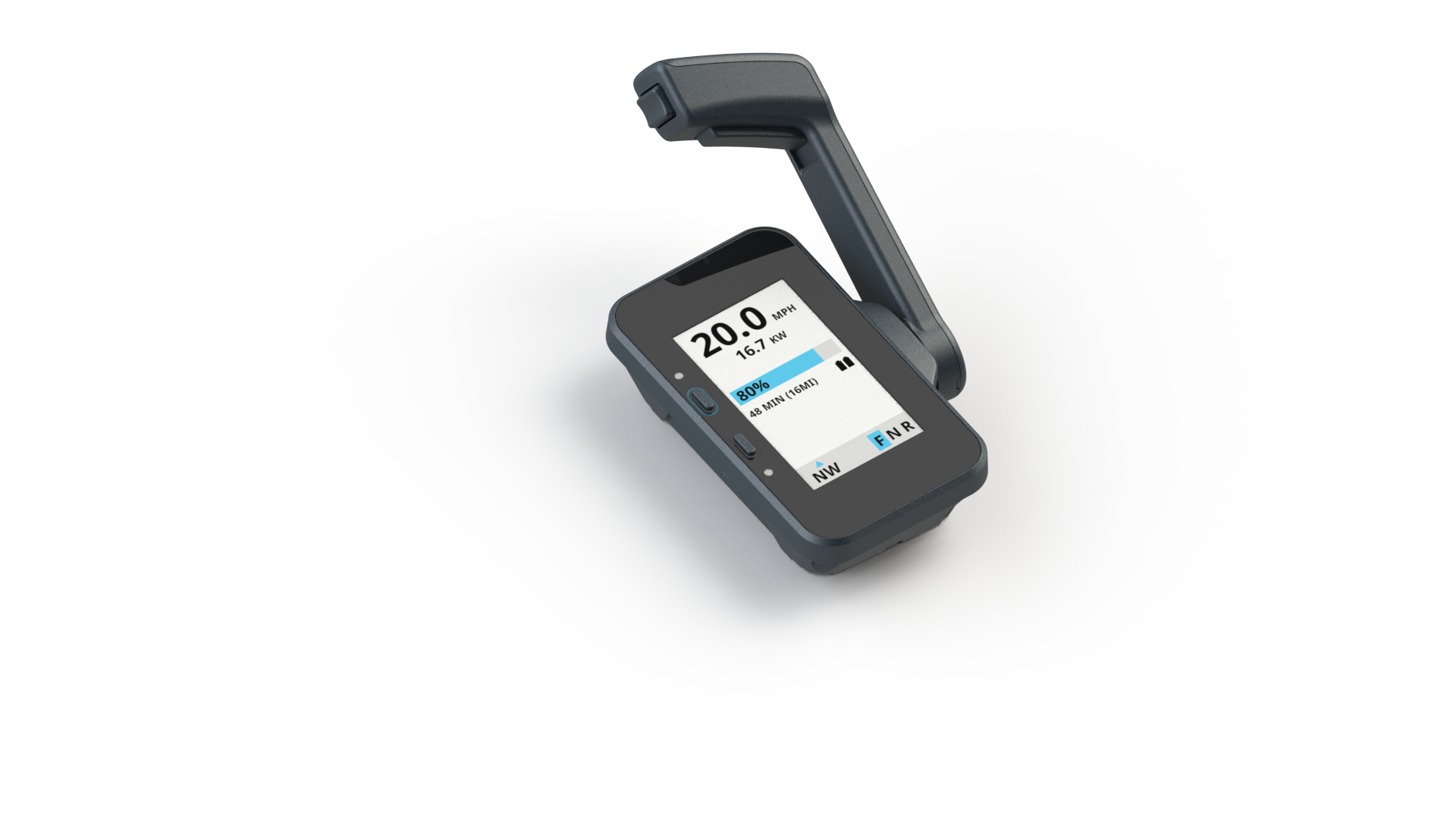
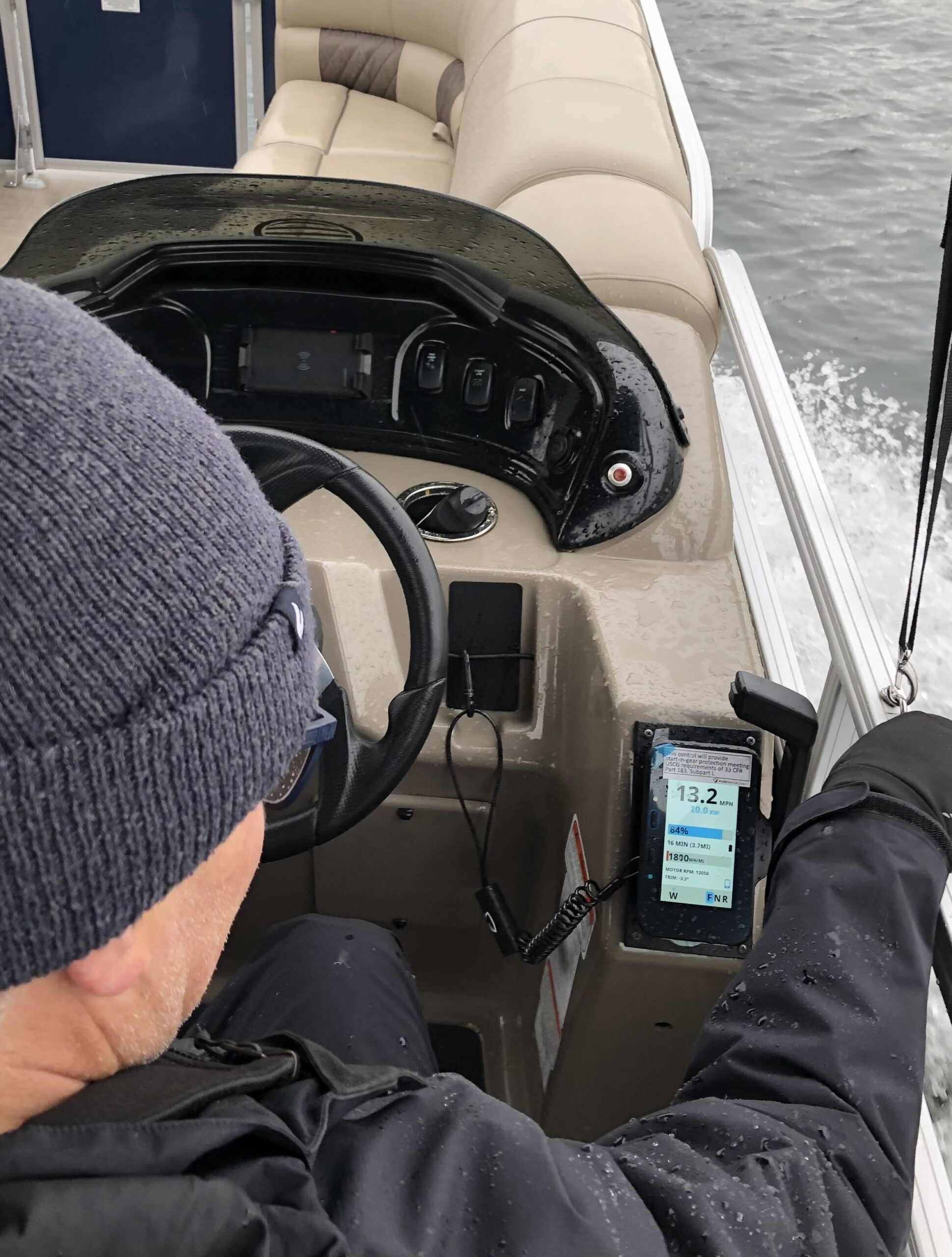
To replace mechanical throttle linkages, we supported the development of a digital throttle-by-wire system. The system delivered excellent acceleration and precise speed control which is one of the defining advantages over combustion engines.
4. Firmware Integration & System Bring-Up
We supported firmware integration, including:
- Motor controller firmware bring-up
- Functional verification of power stage
- Safety interlock testing
- Fault detection and handling verification
5. Prototype Builds & Manufacturing Transfer
Our team assisted with:
- Early hardware prototype builds
- Debug and validation testing
- Design refinements prior to production
- Documentation support for manufacturing transfer
This included close collaboration with production partners to ensure the electronics platform was robust, repeatable, and ready for scaled manufacturing.
RESULTS
The result is a high-performance electric outboard propulsion system delivering:
- Zero-emission operation
- Quiet, vibration-free performance
- Instant throttle response
- Reduced maintenance compared to gas engines
- Drop-in compatibility with common recreational boats
Our engineering work supported the transition from early-stage concept to an integrated electric marine propulsion platform ready for commercialization.
Related Projects
Automated Cell Therapy Manufacturing Platform
Child Monitoring Wearable

Visual Countdown Timer
Secure Restaurant Payment System