Prototype Development
Prototype development brings life to your idea and accelerates the path from concept to a market ready product.
Diatomic is a Seattle-based design and engineering firm with a strong network of partners to fabricate everything needed for rapid prototyping of your concept.
We provide prototype development services for hardware-based products, including medical devices, scientific instruments, and connected IoT systems. Our engineers build functional, appearance, and engineering prototypes that integrate mechanical, electrical, firmware, and industrial design elements.
Prototyping is a core activity that bridges the gap between concept and production, allowing teams to quickly demonstrate concepts or technologies, validate functionality, manufacturability, and user experience before committing to full-scale manufacturing.
Prototyping accelerates learning, reduces risk, and improves product quality. It enables our designers and engineers to evaluate trade-offs between form, function, and manufacturability early and often. It is where great design becomes real.
Common prototype stages include:
- Concept and Form Models: Early visual or ergonomic mockups used to explore form, color, and user interaction. Including human factors or usability studies.
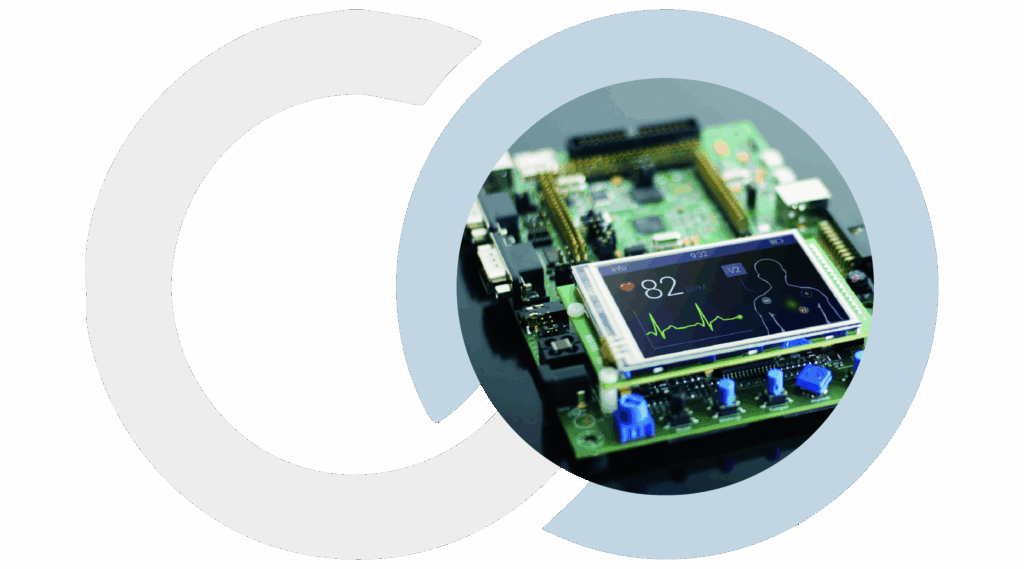
- Technology Demonstrator Prototypes: Used to test feasibility and demonstrate early technical concepts, key subsystems, performance or risk mitigations. Typically development kits, breadboard or early integrated builds.
- MVP Prototypes: Used to validate a product’s core functions early. Provides real-world insight into performance, usability, and value before full-scale development begins.
- Engineering Prototypes (EVT): As designs mature, high-fidelity integrated assemblies validate performance, assembly and subsystem integration.
- Pre-production Builds (DVT/PVT): Pre-production units assembled under controlled conditions to verify compliance with design inputs and specifications.
In medical device development, prototyping serves similar goals, although within a regulated, traceable process governed by standards such as ISO 13485, FDA 21 CFR 820, and ISO 14971.
Types of Prototyping
Form Model / Design Model
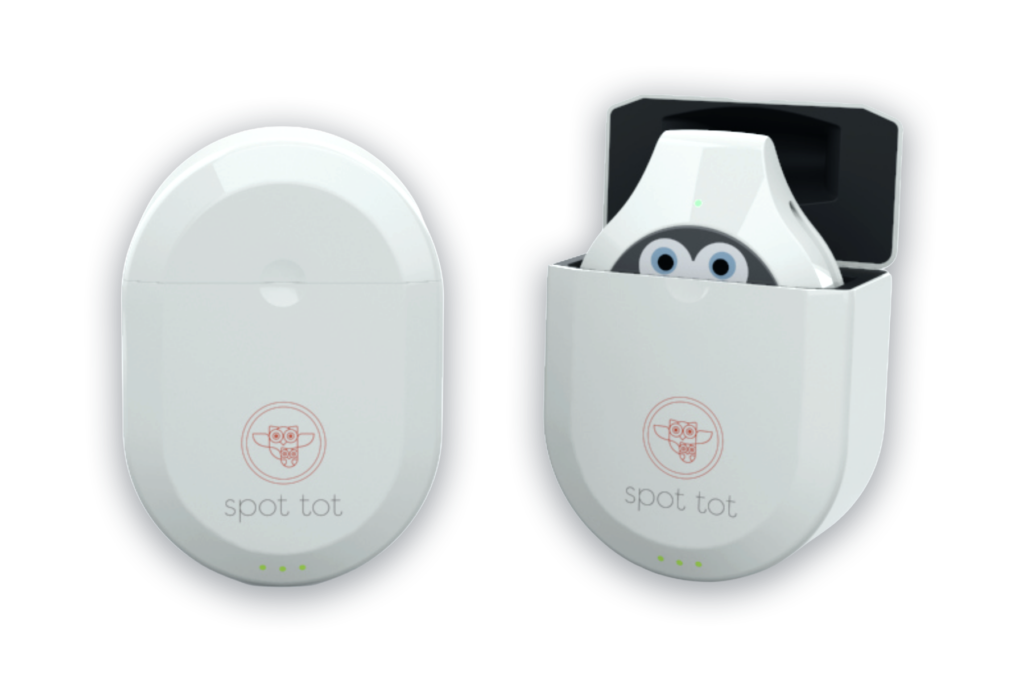
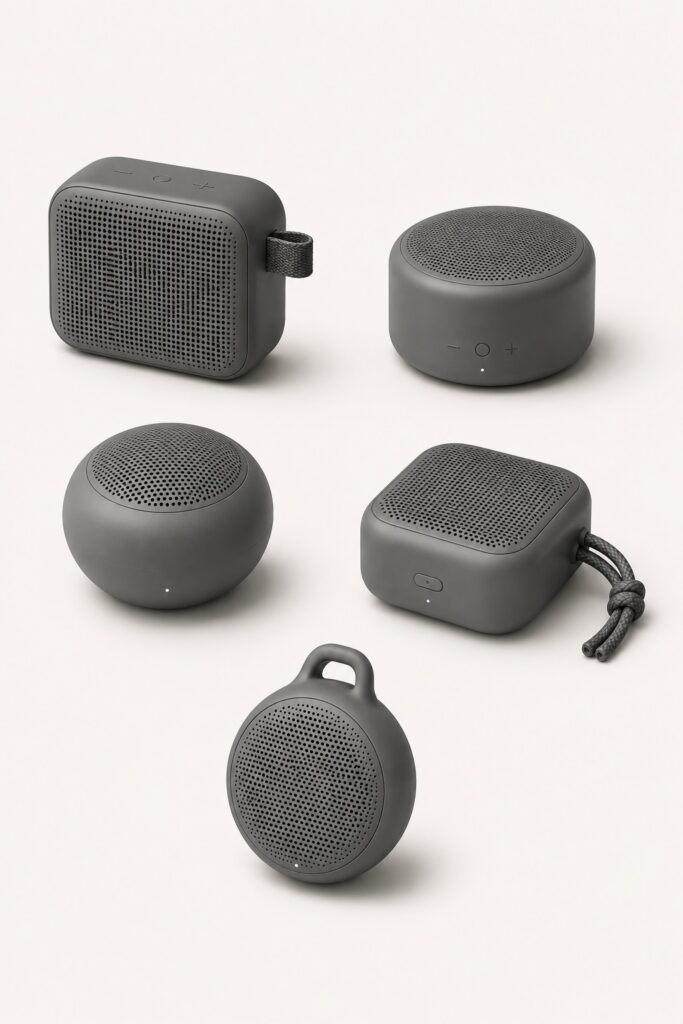
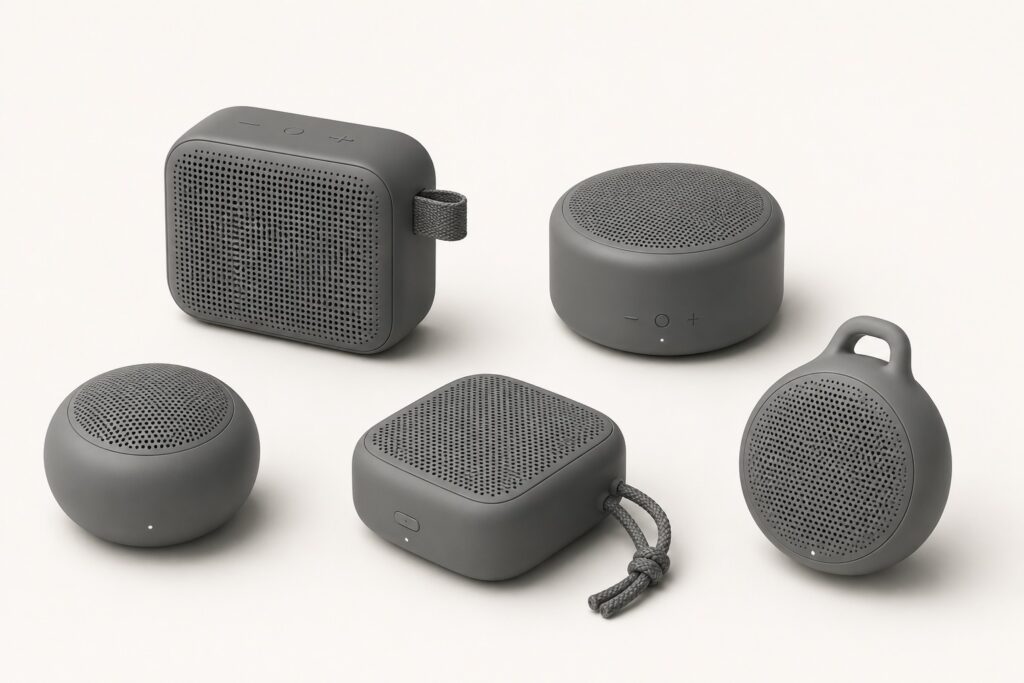
A form model, or industrial design (ID) model, is a physical representation of a product’s shape, size, and aesthetic intent. Form models are used to explore how a product looks, feels, and fits in the user’s hands or environment. It allows designers, engineers, and stakeholders to evaluate proportions, human factors, usability, ergonomics, and visual identity before committing to detailed mechanical or production design.
These models also guide mechanical engineers as they begin detailed packaging and enclosure design. Ensuring that form and function evolve together. Form models may range from simple 3D-printed mockups to high-fidelity painted prototypes that look indistinguishable from final production units.
Key objectives include:
- Assessing overall proportions and surface transitions
- Testing ergonomics and usability through physical interaction
- Evaluating visual brand alignment and aesthetic appeal
- Supporting stakeholder and marketing reviews before design freeze
Design You Can Hold
Form models bring design intent to life. They allow teams to see, touch, and evaluate a product long before it’s manufactured. They ensure that every surface, proportion, and interface is purposeful, manufacturable, and aligned with how users will experience the final product.
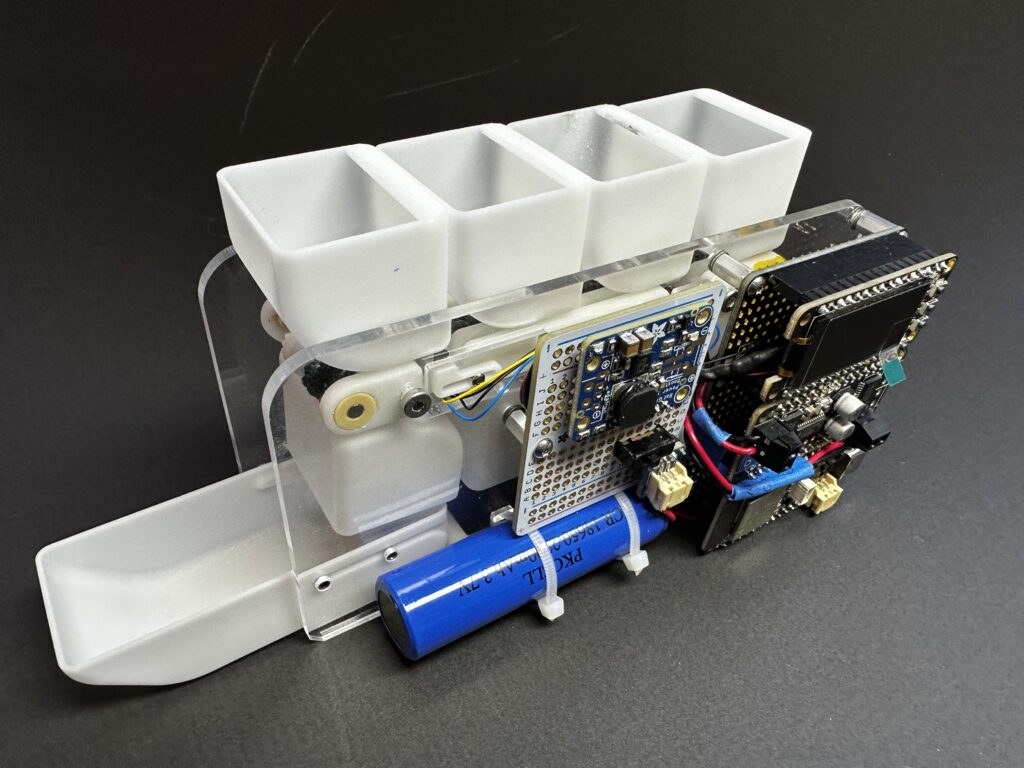
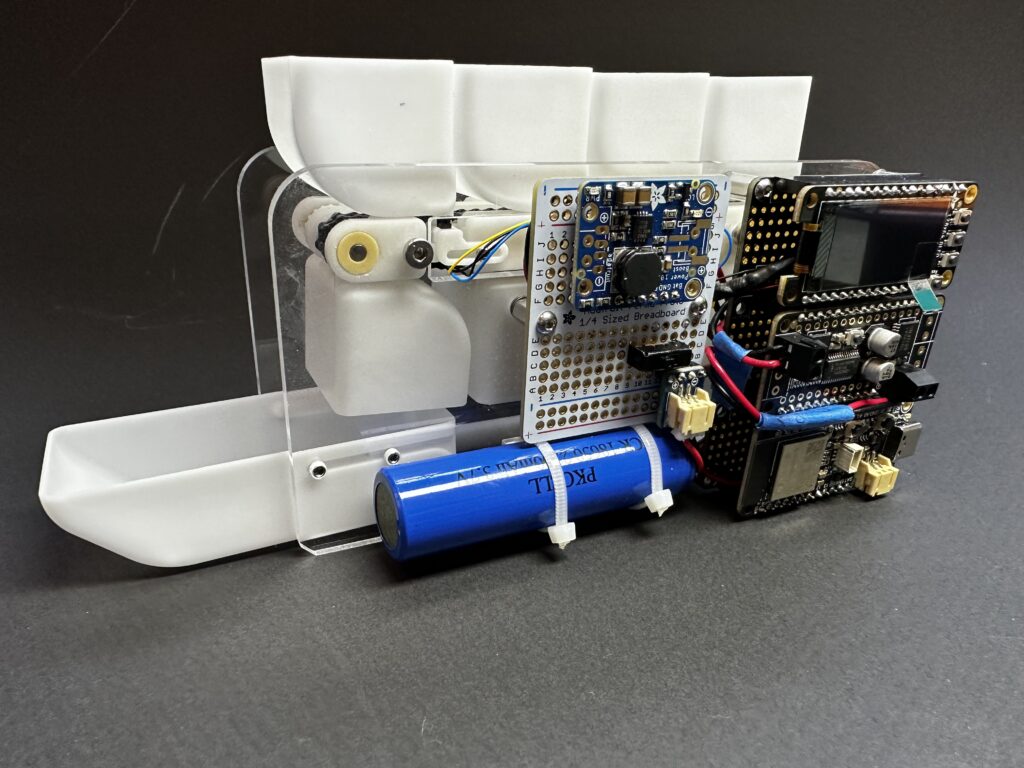
Technology Demonstrator Prototype
A technology demonstrator prototype is built to prove feasibility and reduce technical risk early in development. It demonstrates that a critical technology, mechanism, or subsystem can perform as intended, providing confidence before significant investment is made in full product design.
Technology demonstrators are used to test the core science or engineering foundation of a product concept. They are typically used to test emerging technologies and novel features that may define the next generation of a product line. They provide tangible proof for stakeholders, investors, and internal teams, helping guide investment and product strategy.
They answer fundamental questions such as:
- Can this new sensing or control method work reliably?
- Will the system meet required performance thresholds?
- Can multiple technologies integrate effectively into one platform?
By validating feasibility early, a demonstrator informs decisions about system architecture, component selection, manufacturing feasibility, investment, and risk, ensuring that future development is built on proven ground.
Proof Before Product
Technology demonstrators provide the first evidence of function, by transforming a promising idea into validated technology. They establish a foundation of confidence, enabling teams to move forward with clarity, data, and direction.
Minimum Viable Product (MVP) Prototype
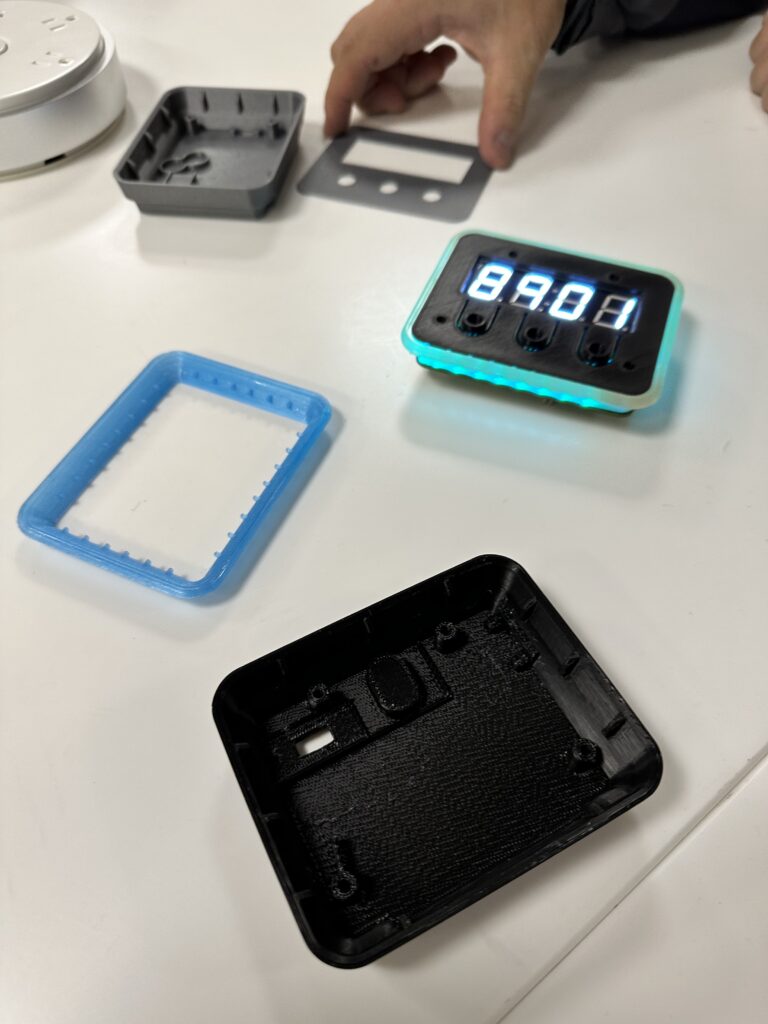
A Minimum Viable Product (MVP) prototype focuses on proving what matters most. It represents the simplest functional version of a product that demonstrates core performance, usability, or value. A MVP prototype allows teams to test ideas quickly, gather real feedback, and guide further development with confidence.
An MVP helps identify what works, what doesn’t, and what’s worth pursuing before major resources are committed. By focusing on key functions instead of full refinement, it reduces technical and market risk, enabling faster, evidence-based decisions.
MVP prototypes are used to test user experience, feature value, and technical feasibility. MVP prototypes can take the form of functional breadboards, appearance models, or integrated early-stage systems that demonstrate the product’s unique value. These prototypes enable user testing, investor presentations, and early manufacturing discussions. Accelerating progress from idea to product launch.
MVPs are often used to:
- Validate key features with users or investors
- Prove core technology or performance assumptions
- Establish early manufacturability and cost models
- Support marketing, pilot testing, or funding discussions
Early Function. Real Insight.
An MVP prototype isn’t the final product. It is the foundation of informed innovation.
Engineering Verification Test (EVT) Prototype
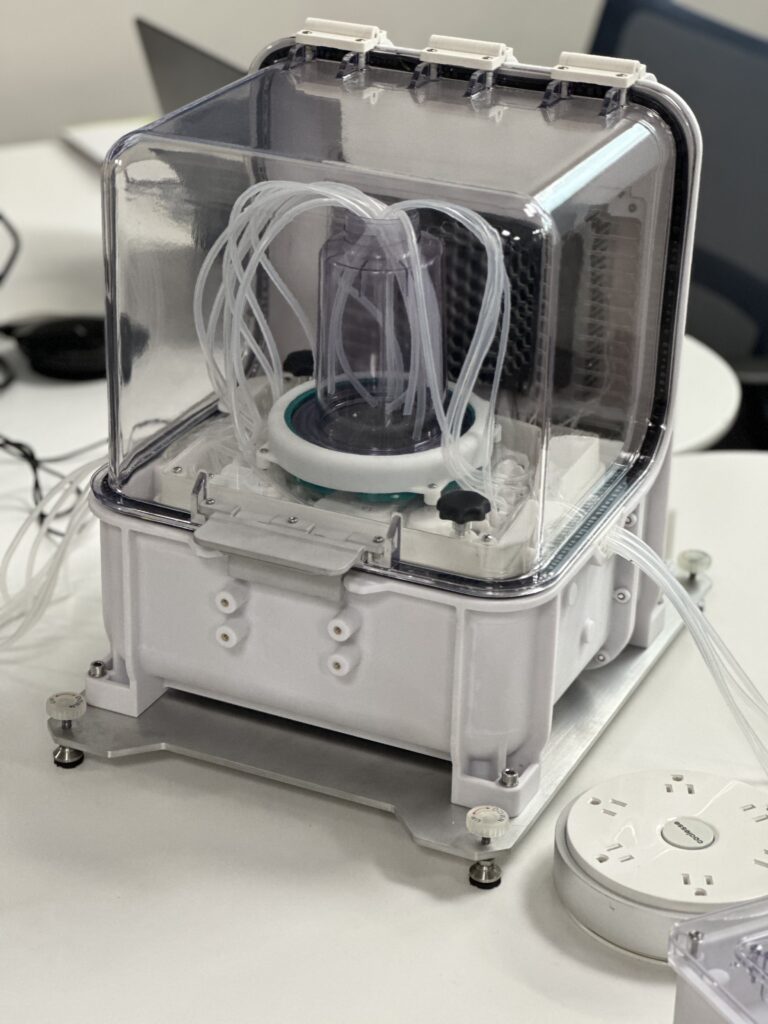
An EVT (Engineering Verification Test) prototype is the first fully integrated version of a product. This is where mechanical, electrical, firmware, and design systems come together and operate as one. They support hardware bring-up, firmware integration, and environmental testing, while informing manufacturing, quality, and compliance planning. Its purpose is to verify core functionality and performance, validate design decisions, and identify integration issues before the product advances toward manufacturing and regulatory testing.
Key elements include:
- Verifying functionality and performance of all subsystems
- Testing electrical, firmware, and mechanical integration
- Evaluating power, thermal, and structural performance
- Identifying and correcting design or tolerance issues
- Use near-production parts or prototype tooling
Where the complete system proves itself
The EVT prototype marks the moment when a design transforms into a working product. The result is a verified, fully functional design that establishes a baseline for Design Validation Test (DVT) and Production Validation Test (PVT) builds.
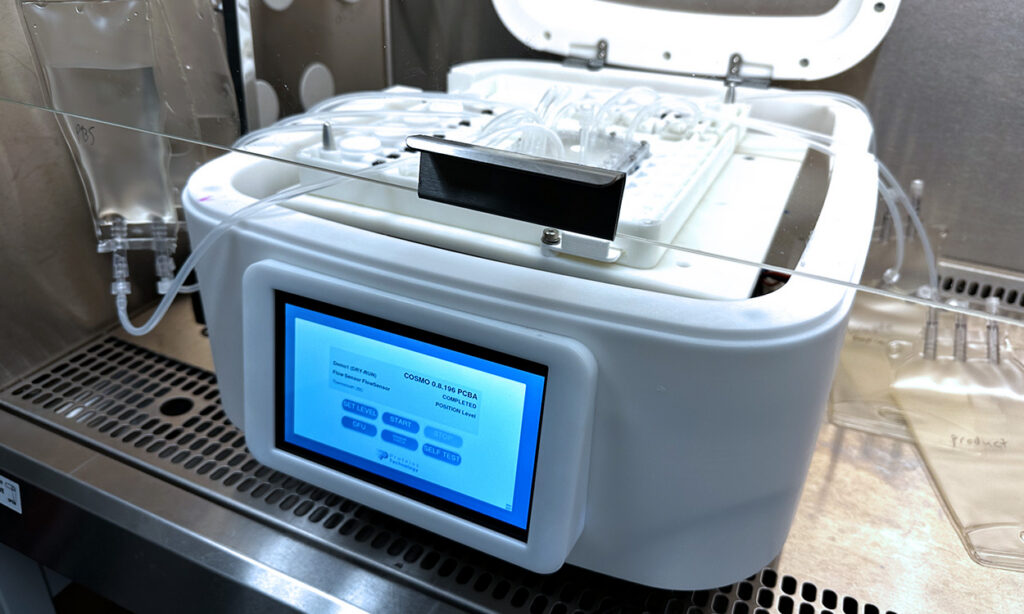
Diatomic Product Development specializes in developing and building prototypes that bridge concept and production. From early feasibility builds to high-fidelity engineering prototypes, we combine mechanical, electrical, firmware, and industrial design expertise to prove performance, validate usability, and de-risk manufacturing.
Our network of manufacturing partners support:
- CNC Machining
- Metal Casting
- Sheet Metal Fabrication
- Laser and Die Cutting
- Additive Manufacturing
- Urethane Casting
- Injection Molding
- Electronics Assembly
- PCB Fab and Assembly
- Part Finishing
From Concept to Prototype to Market-Ready Product
Whether you are an individual entrepreneur with the idea of a lifetime or an enterprise-scale organization developing world-class technology, we help you move from concept to reality with precision, creativity, and confidence.
Why Diatomic?
Diatomic is a Seattle-based design and engineering firm with a strong network of partners to fabricate everything needed for rapid prototyping of your concept.